

A Challenging Spring Has Not Slowed Progress Across California’s Tomato Crop
Contributing Writers: Robby Force
As California’s tomato season moves further into spring, Morning Star’s operations are progressing steadily across all growing regions. Transplanting for the 2026 crop is now nearing completion, and despite a season marked by fluctuating weather conditions, growers and field teams have continued to make strong progress toward original acreage targets.
Over the past several weeks, growers have worked through periods of elevated temperatures, intermittent rain, and rapidly changing field conditions that required careful management and close coordination. While the environment has presented challenges, conditions have remained workable, and our agronomic teams have responded proactively to protect transplant viability. Transplanting efforts have also stayed on pace thanks to the responsiveness and dedication of our growers, greenhouse teams, transplanters, and field staff throughout the state.
At this stage of the season, the crop is establishing well across all regions. While no growing season is without uncertainty, the overall outlook remains encouraging as fields continue to develop under manageable conditions.
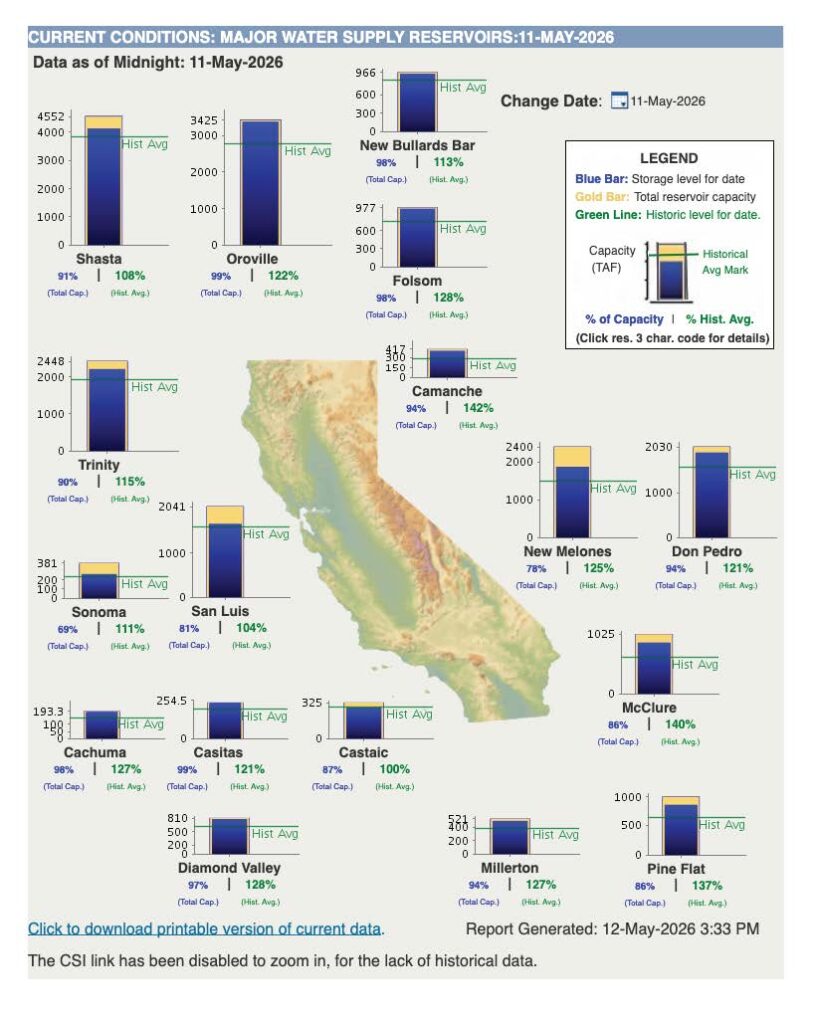
Click to View
One area receiving increased attention this year is California’s broader water outlook. Current water availability remains adequate for this stage of the growing season, and reservoirs entered the year in relatively strong condition following several consecutive wet winters. However, the Sierra Nevada snowpack, often referred to as California’s “frozen reservoir,” has become a growing concern as the season progresses.
The Sierra snowpack typically supplies roughly 30% of California’s water needs by slowly releasing water through the spring and summer months. This year, however, unusually warm early-season temperatures accelerated melt rates well ahead of normal patterns. By mid-March, statewide snowpack measurements had already dropped significantly below average, with conditions resembling what would normally be expected much later in the spring.
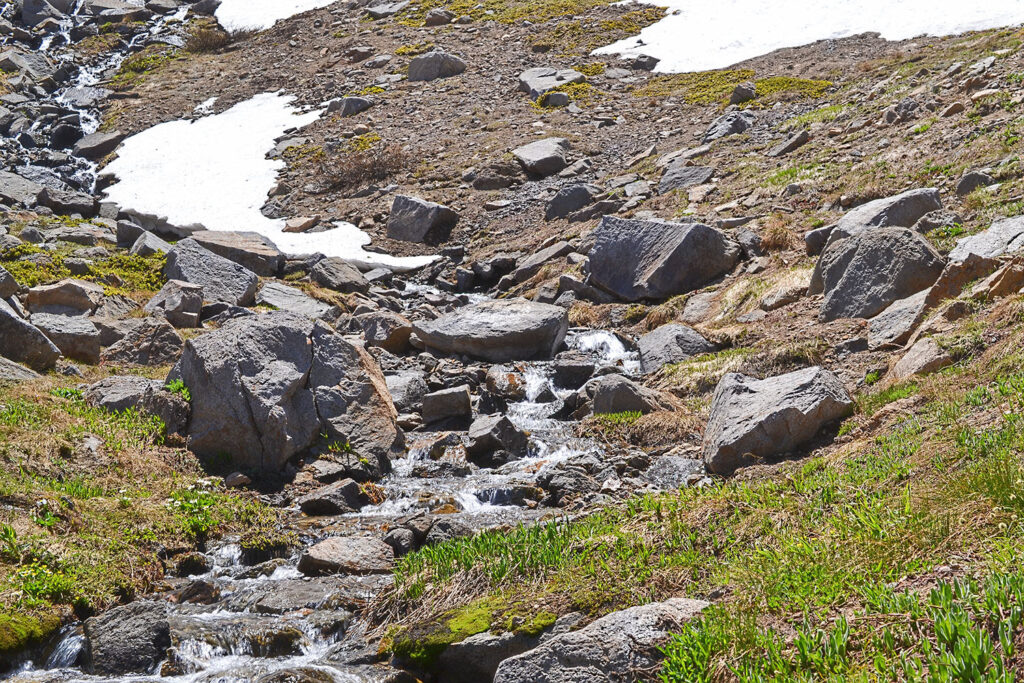
The most notable concern came during the Department of Water Resources’ April 1 snow survey at Phillips Station, historically considered the benchmark for peak snowpack levels. This year, surveyors reported no measurable snow at the site, while statewide snowpack measured just 18% of average for that date – one of the lowest April readings on record.
Although reservoir storage remains healthier than in many recent drought years, the rapid loss of snowpack means California will receive less natural runoff during the critical summer irrigation months than growers have benefited from in recent seasons. Morning Star continues to monitor conditions closely and will coordinate with our growers and water districts to manage supply effectively as the season progresses.
For now, transplanting is approaching the finish line, crop development remains on track, and the focus shifts toward supporting a healthy growing season through the months ahead.
###

Morning Star Newsletter now distributed electronically
As a reminder, Morning Star is now distributing our newsletters electronically using an email distribution vendor called Mailchimp. Your e-version will now include informative Morning Star videos and highlights. Depending on your company’s firewall, these emails may initially be directed to you spam folder.